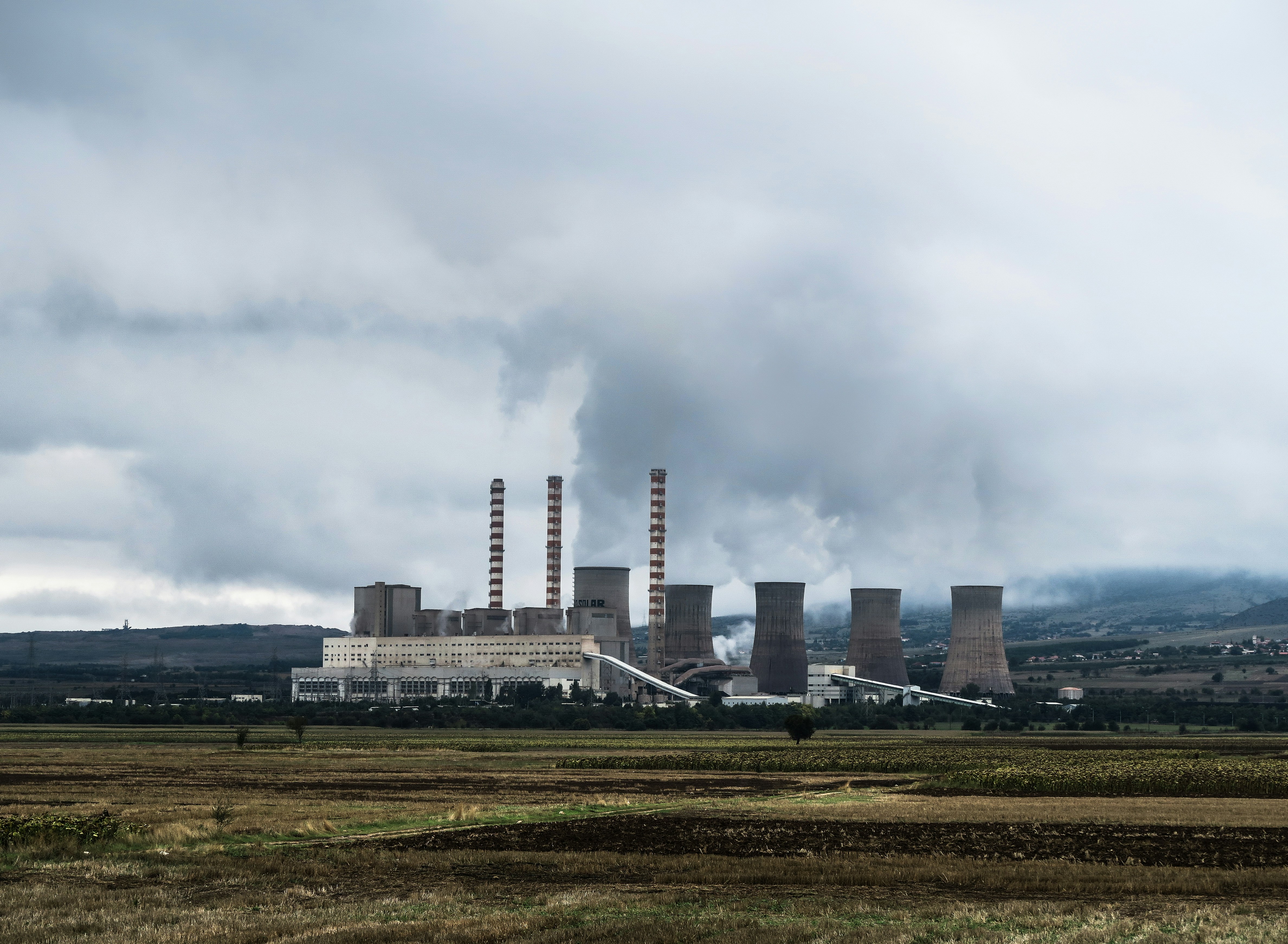
The ESG project of the “Baytaq” party, “Industrial Renovation,” is a unique B2B initiative aimed at large-scale modernization of industrial and civil facilities based on the principles of zero-waste production, minimizing the carbon footprint, and completely eliminating costs for the owner. The project is based on a fundamental shift from outdated, resource-intensive, and environmentally dirty demolition methods to modern international ESG standards (Environmental, Social, and Corporate Governance). Our practice proves that environmental responsibility in business can be economically beneficial, enabling large enterprises and investors to upgrade their facilities without increasing the burden on the environment or their own budget.
The main goal of the project is the accelerated implementation of the principles of the circular economy in Kazakhstan’s industrial sector while simultaneously reducing owners’ investment costs under the budget item “demolition.” We offer a revolutionary commercial solution in which the cost of all work for the client is zero tenge. This is achieved by turning demolition waste into liquid secondary raw materials, the value of which fully covers the costs of carrying out high-tech work.
Within the project, a whole range of critically important tasks is addressed, from the elimination of industrial waste to land remediation. We ensure maximum extraction of secondary material resources and increase their share in secondary production, which makes it possible to significantly reduce the amount of waste sent to landfills. Special attention is paid to decarbonization through reducing the share of high-carbon raw materials and actively introducing non-firing processing technologies. Energy saving is achieved through a systematic reduction in energy resource consumption at all stages of site renovation and minimization of logistics costs. As a result, the owner receives full site remediation with the elimination of potentially hazardous facilities, emergency structures, and illiquid encumbrances that pose an environmental or technogenic threat, which significantly reduces financial barriers and investor risks at the site preparation stage for new construction.
The project’s technological process is fully built on the principles of the circular economy, excluding the linear consumption model. Work begins with the “smart” demolition of buildings and structures according to special technological maps that prevent the mixing of construction waste. Then, directly at the industrial site, the waste is fractionated and sorted into secondary metal, concrete rubble, brick, and crushed stone, after which the raw materials undergo deep processing. The resulting resources are returned to circulation and directed to adjacent industries such as metallurgy, road construction, and building materials production, which makes it possible to significantly reduce the total carbon footprint of finished products.
As a result of participating in the project, the client solves several strategic tasks at once. In addition to completely eliminating the expense item for site preparation for new construction, the enterprise receives a significant improvement in its ESG rating. Official confirmation of process decarbonization and carbon footprint reduction opens access for the business to international markets and to obtaining “green” loans on preferential terms. In addition, professional remediation guarantees complete safety and the removal of hazardous assets without the risk of environmental fines or sanctions from government regulators.